
On this page
- The History and Importance of Chinese Calligraphy
- Getting Started: Essential Tools for Beginners
- The Five Main Styles of Chinese Calligraphy
- How to Practice Chinese Calligraphy
- Free Resources and Courses to Enhance Your Calligraphy Skills
- Five styles, one starting point
- Four treasures, one setup
- Conclusion: The Art of Calligraphy as a Gateway to Chinese Culture
Chinese calligraphy is more than just a form of writing; it is a profound cultural practice that has shaped the artistic and philosophical foundations of China for millennia. For beginners, learning this ancient art is both a journey into Chinese history and a personal exploration of patience, discipline, and creativity.
The History and Importance of Chinese Calligraphy
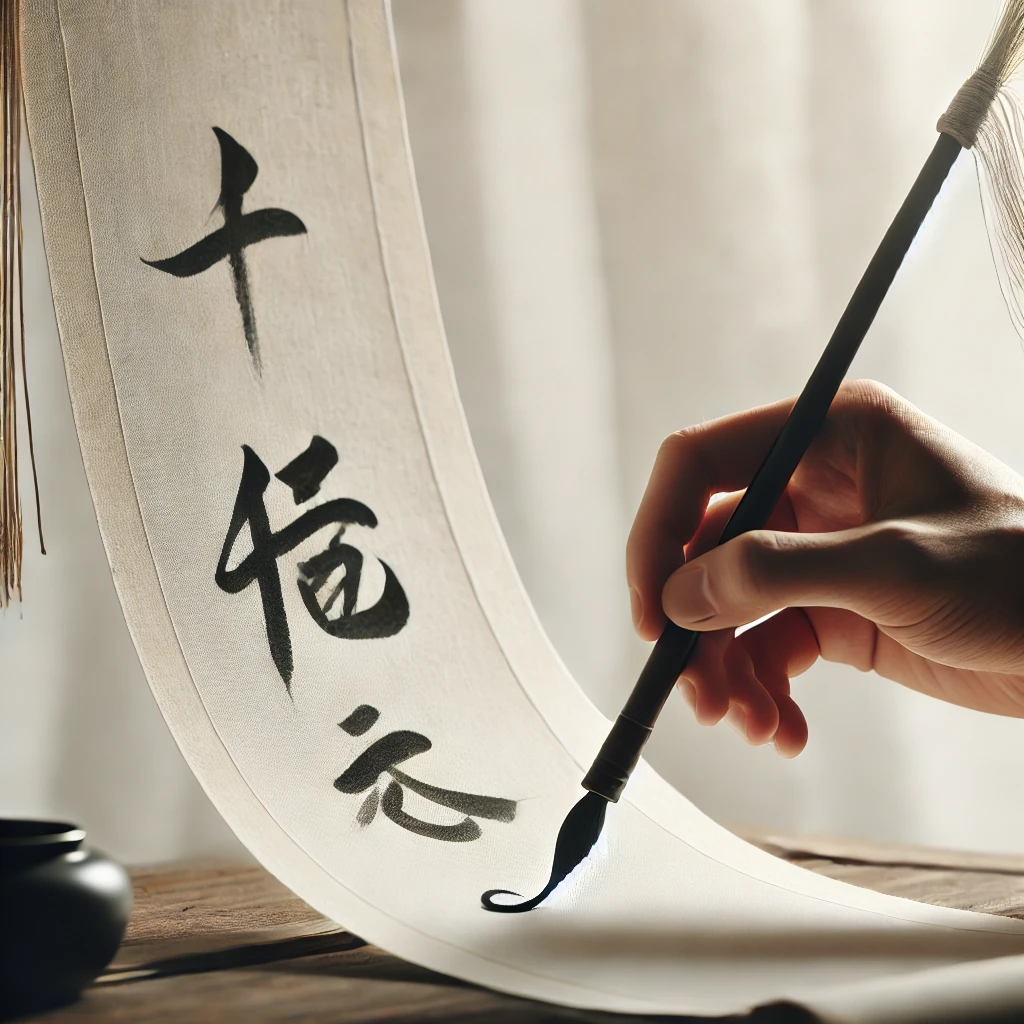
Chinese calligraphy has a rich history dating back over 3,000 years, making it one of the oldest forms of written art in the world. What began as a means of communication evolved into an esteemed form of expression, where the stroke of a brush could convey not only language but emotion, philosophy, and culture. Calligraphy is seen as a reflection of one’s inner self, emphasizing balance, harmony, and flow.
Throughout Chinese history, calligraphy has been practiced by scholars, artists, and emperors alike. From ancient texts to imperial decrees, calligraphy has been deeply intertwined with China’s cultural and historical development. Understanding its roots gives beginners a deeper appreciation for the art they are about to learn.
Getting Started: Essential Tools for Beginners
If you’re a beginner looking to learn Chinese calligraphy, it’s essential to start with the right tools. Traditional Chinese calligraphy requires four main tools, known as the “Four Treasures of the Study.”
| Tool | Description |
|---|---|
| Brush (毛笔) | Made from animal hair, the brush is a flexible tool that allows varying stroke thickness based on pressure. |
| Ink Stick (墨) | Ink is traditionally ground from an ink stick and mixed with water to produce the desired consistency. |
| Rice Paper (宣纸) | Rice paper is used because of its absorbency, allowing for beautiful, fluid strokes. |
| Inkstone (砚) | The inkstone is used to grind the ink stick and mix it with water to create liquid ink. |
With these tools in hand, you’re ready to begin your journey into calligraphy. It’s important to note that different brushes, ink types, and papers can lead to varying results, so experimentation is key.
The Five Main Styles of Chinese Calligraphy
There are five main script styles in Chinese calligraphy, each with its unique aesthetic and purpose:
- Seal Script (篆书): One of the earliest forms of Chinese writing, used mainly in seals. It’s characterized by its formal, structured strokes.
- Clerical Script (隶书): Developed during the Han dynasty, known for its wide and flat strokes.
- Regular Script (楷书): The most commonly used form in everyday writing. It’s clear, balanced, and easy to read, making it ideal for beginners.
- Running Script (行书): A more cursive and fluid version of regular script, often used in personal notes.
- Cursive Script (草书): The most abstract form, where characters flow into one another, often difficult to read but valued for its expressive style.
Understanding the differences between these styles will help you choose which one to start with based on your goals. For beginners, Regular Script is often recommended due to its simplicity and readability.
How to Practice Chinese Calligraphy
Practicing Chinese calligraphy requires patience, repetition, and mindfulness. Here are the basic steps to begin your practice:
- Start with Basic Strokes: Before jumping into writing full characters, master the basic strokes, such as horizontal, vertical, and diagonal lines. Each stroke in Chinese calligraphy has its technique, and perfecting these will make writing characters easier.
- Focus on Posture: Proper posture is essential. Sit upright with a relaxed wrist to allow fluid movement of the brush.
- Practice Characters Repeatedly: Select simple characters (like 一, 二, 三) and practice writing them repeatedly. This repetition builds muscle memory.
- Use Guides: Many beginners use grids to help with character proportions. There are plenty of online resources that offer free printable guides.
For additional guidance, you can explore free resources such as Arch Chinese, which offers interactive tools and tutorials on calligraphy practice.
Free Resources and Courses to Enhance Your Calligraphy Skills
Several online platforms offer free resources and courses to help beginners improve their calligraphy skills:
- China Online Museum: A fantastic resource for understanding the history and styles of Chinese calligraphy.
- The Met’s Chinese Calligraphy Collection: Explore masterpieces of calligraphy through one of the world’s most respected museums.
- Coursera – Chinese Calligraphy Course: A free course provided by top universities offering step-by-step guidance for learning Chinese calligraphy.
Five styles, one starting point
The five script styles are not five levels of the same ladder; they are five different tools, each with its own purpose. Seal script is one of the earliest forms, formal and structured, used mainly in seals. Clerical script, developed during the Han dynasty, is known for its wide and flat strokes. Regular script is the most commonly used form in everyday writing — clear, balanced and easy to read. Running script is a more cursive and fluid version of regular script, often used in personal notes. Cursive script is the most abstract form, where characters flow into one another — often difficult to read but valued for its expressive style. The choice is a question of goals, not of rank: regular script is recommended for beginners for its simplicity and readability, and understanding the differences is what lets a beginner choose rather than guess. Start where the characters can still be read, and let the freer styles come later.
Four treasures, one setup
The Four Treasures of the Study are a set, not a shopping list: each of the four does one job, and the four together make the practice possible. The brush, made from animal hair, is flexible, and varying the pressure varies the stroke thickness. The ink stick is ground and mixed with water to the consistency the writer wants. The rice paper absorbs, which is what allows the fluid strokes. The inkstone is where the grinding and mixing happen. The article’s warning is practical: different brushes, ink types and papers lead to varying results, so experimentation is key. A beginner’s first task is not to buy the finest set but to learn what each treasure does, because the four practice steps that follow, from basic strokes to character repetition, all assume the setup is already in the hand.
Conclusion: The Art of Calligraphy as a Gateway to Chinese Culture
Learning Chinese calligraphy is not just about mastering brushstrokes and ink; it’s about connecting with a rich cultural tradition that has influenced China for centuries. As you practice, you’ll not only improve your artistic skills but also gain a deeper appreciation for Chinese history, philosophy, and aesthetics.
Call to Action: Ready to start your calligraphy journey? Subscribe to our blog for more tips, tutorials, and resources on mastering Chinese art forms, or join our community discussion to share your progress!
Related reading: 15 Must-Know Classic Chinese Literature Books: A Comprehensive Guide for Curious Readers
Related reading: Chinese Culture and History Hub


